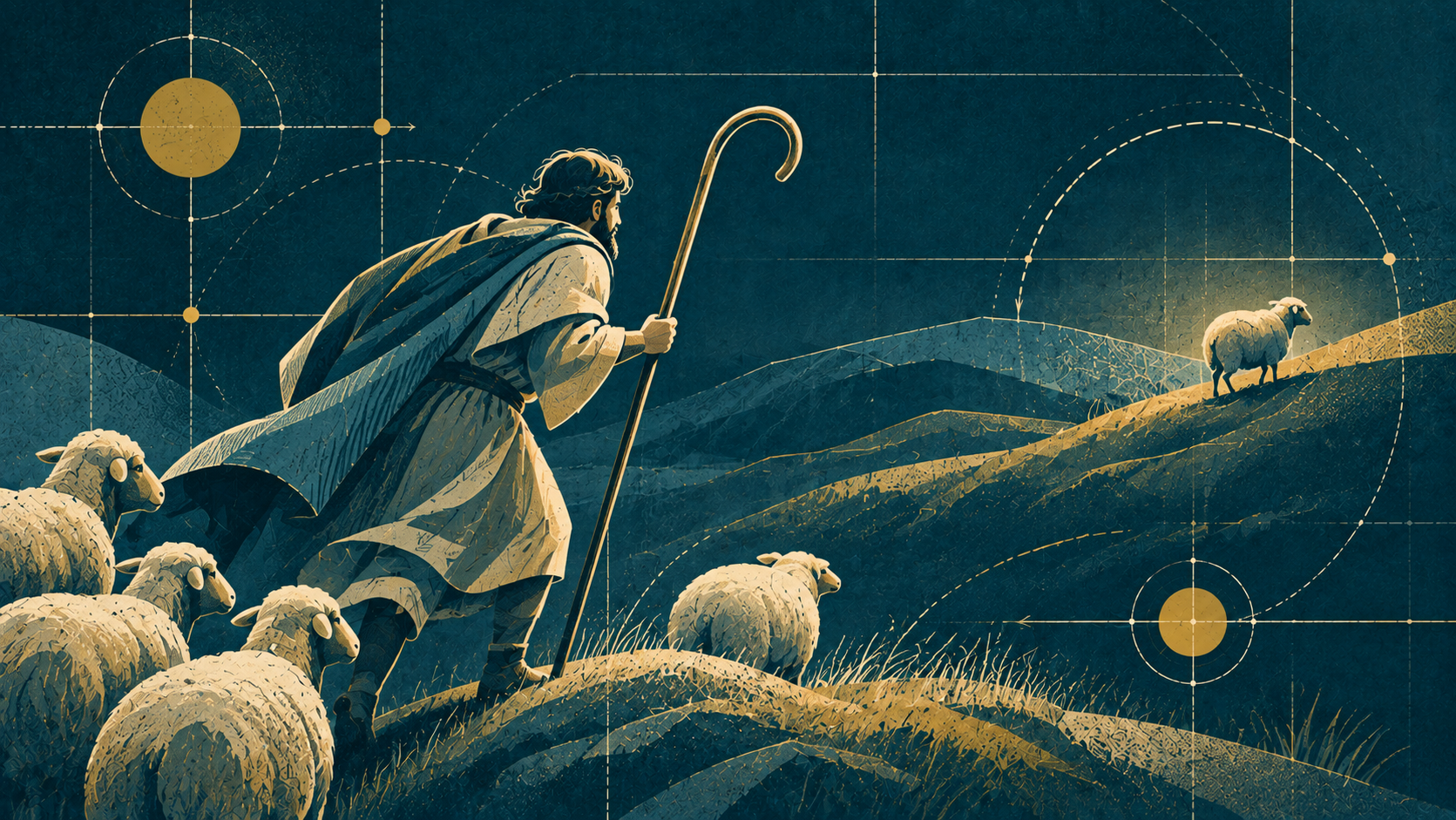
Every pastor has had this moment. You realize someone who used to serve every week hasn't been around in a while. You still see them every few Sundays, so it didn't register. But underneath, something shifted, and nobody asked about it until it was too late. Pastor David Russell of Rise Church in Chattanooga decided his church wasn't going to keep missing those moments. On this week's episode of the Build the Church podcast, he answered a question a lot of pastors are asking: can AI actually help us care for people better? His answer is yes, as long as the outcome is always a human one.

Before planting Rise Church, David oversaw the online campus at Church of the Highlands and helped the digital team build tools like the Serve and Pray apps. He's loved technology since his dad, then a children's pastor, somehow bought a $3,500 IBM computer in 1989.
A lot of pastors are nervous about AI right now. David's response is simple: your church already runs on software. You have a website. You use Planning Center or Rock. You're happy to use those for the glory of God. AI is software too. Technology is neutral, and if the enemy wants to use a tool for harm, that's all the more reason for the church to use it for the kingdom.
Rise Church averages about 300 people on a Sunday. That's not so large that people disappear in a crowd, but it's large enough that team leaders need help staying accountable for the people on their teams.
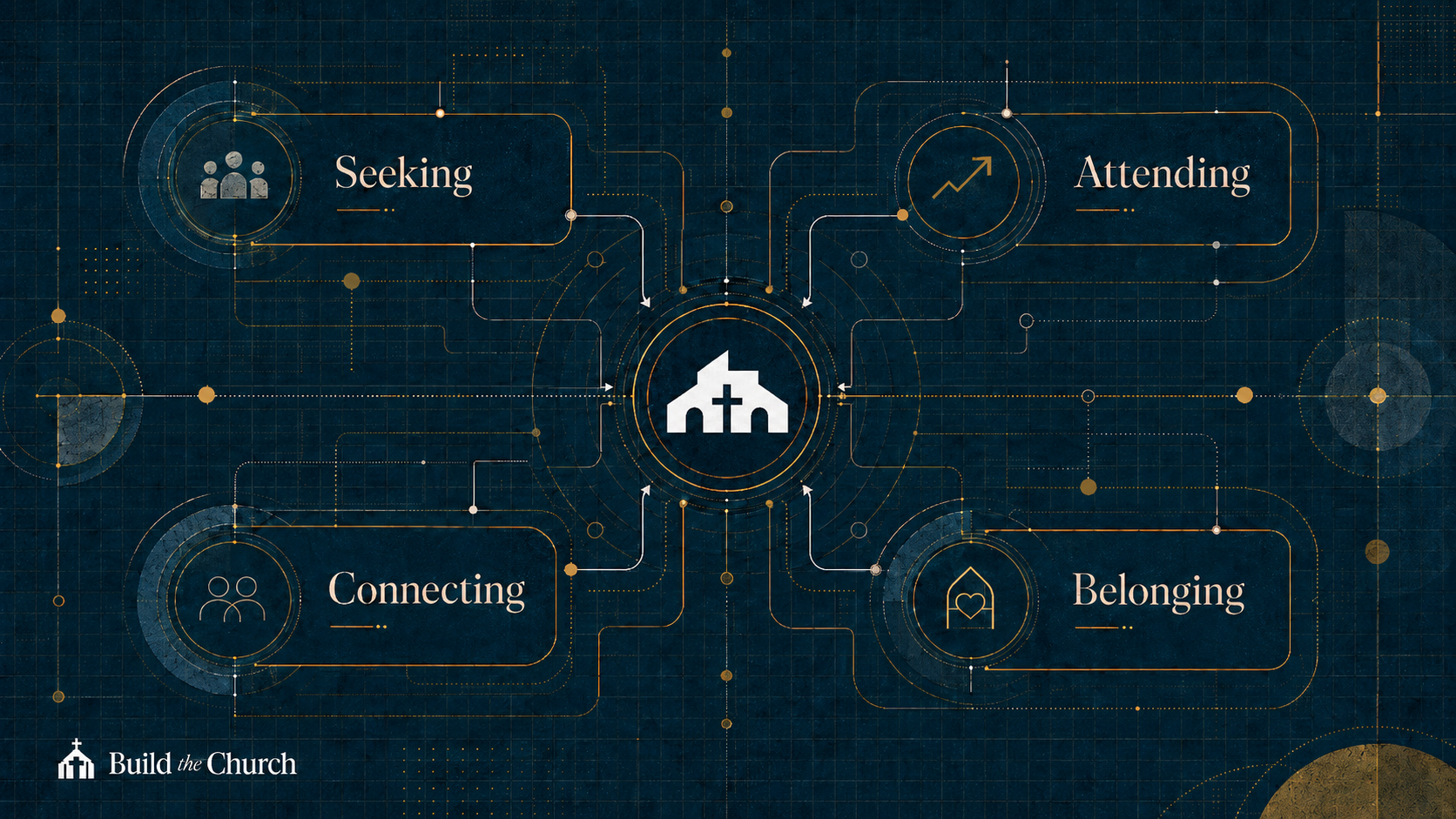
So David used Claude Code to build a simple web tool connected to his Planning Center check-in data. It looks at an eight-week window and sorts every Dream Team volunteer into a category: engaged, drifting, disengaged, or inactive. When someone who used to serve three or four times a month starts serving less, the system flags them for their team leader.
Here's the key: the goal isn't to fill a Sunday slot. It's to ask, "Are you okay? Is there anything we can pray about?" David's team has found people going through hard seasons who never said a word, but when someone asked, they admitted they could be doing better.
Many churches watch giving trends for the same reason, but by the time giving drops, a person's heart has often already drifted. Serving patterns give you an earlier signal.
Once a name pops up, team leaders get notified, and the whole list is reviewed in a monthly Dream Team leader meeting. For all the tech behind it, David still prints the list on paper.
At six months without serving, the team decides together whether that person is still on the team. Sometimes there's a reason, like a medical situation. In that case, the answer is, "Of course you're still on the team. Let's help you get through this season."
David's warning for any pastor building something like this: don't let it become synthetic. Don't settle for an automated text. Make the result a phone call or a conversation. Use high tech to stay high-touch.
When David pointed AI at his church's data and asked what it noticed, it surfaced patterns his team didn't know were there. One was a number he had never tracked: how many first-time guests make a second connection with the church within six months. That could be joining a small group, taking a next steps class, getting baptized, or making a decision for Jesus.
At Rise, it's 23%. Most churches aren't tracking that number at all, and just measuring it is a powerful first step toward improving it.
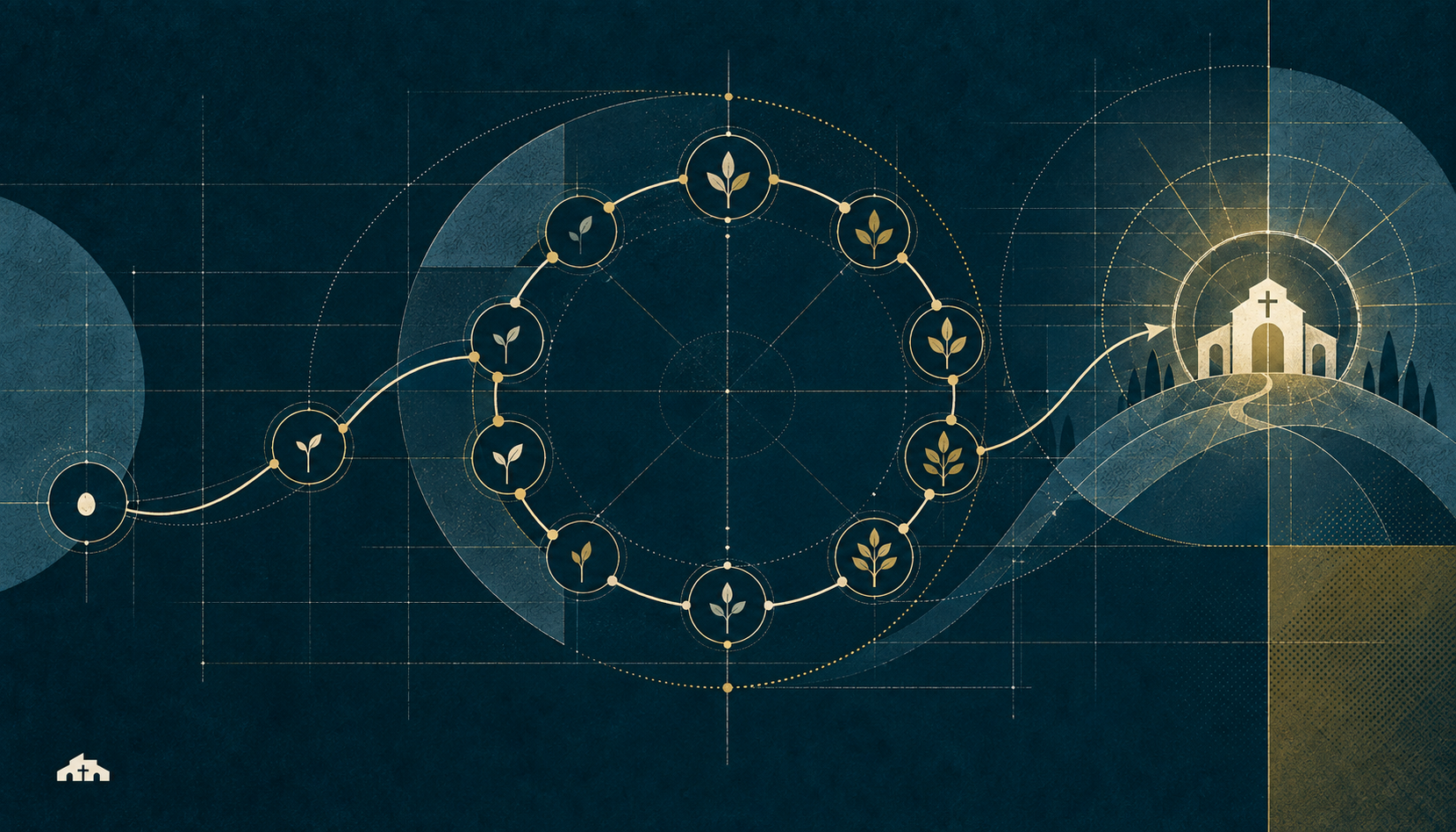
David's next project is a mobile app he built over four months as a side project, using Claude Code. It shows people badges for their spiritual milestones, like salvation, baptism, small groups, and serving, and helps them see their next step.
That turns a user profile into a spiritual profile. It lets the church send each person a message that fits where they are, instead of one email blast to everyone. Small group and Dream Team leaders also get a simple snapshot of where a new member is on their journey, so they can shepherd them well from day one.
David admits he was once skeptical of the YouVersion Bible App's streaks feature. Then he tried it, and it got him spending more time in God's Word. If something helps people take a next step, why be afraid to try it?
You don't need a tech background to do this. David's advice is to jump in. Pick an AI tool like Claude, ChatGPT, or Gemini, and open its coding tab. Give it the data you already have, then ask what it sees and where people might be getting stuck.
Don't try to build software for the masses. Build something for your church, your people, and the places they get stuck. Then use it to make sure they're known, loved, and cared for.
Watch the full episode below, or listen on Apple Podcasts, Buzzsprout, or YouTube.
Connect with David at rise.church (@david_russell).
This episode is brought to you by YourTeam.church, the assessment app that helps you place every volunteer where they thrive. Your church gets its own branded link, and your people are matched to a team based on their spiritual gifts and personality, with a look at what life is actually like on that team. Try the Pro tier free for 30 days.
If you want to gain momentum, grow your church, and go the distance in ministry, start by noticing the people who are quietly drifting.
Keep believing and leading strong,
Josh Roberie