Most churches put a lot of thought into what happens during the service. We plan the message, prepare the worship set, organize volunteers, and work hard to create an environment where people can encounter God.
All of that matters. But your guest's journey begins long before the first song. And it should continue long after the service ends.
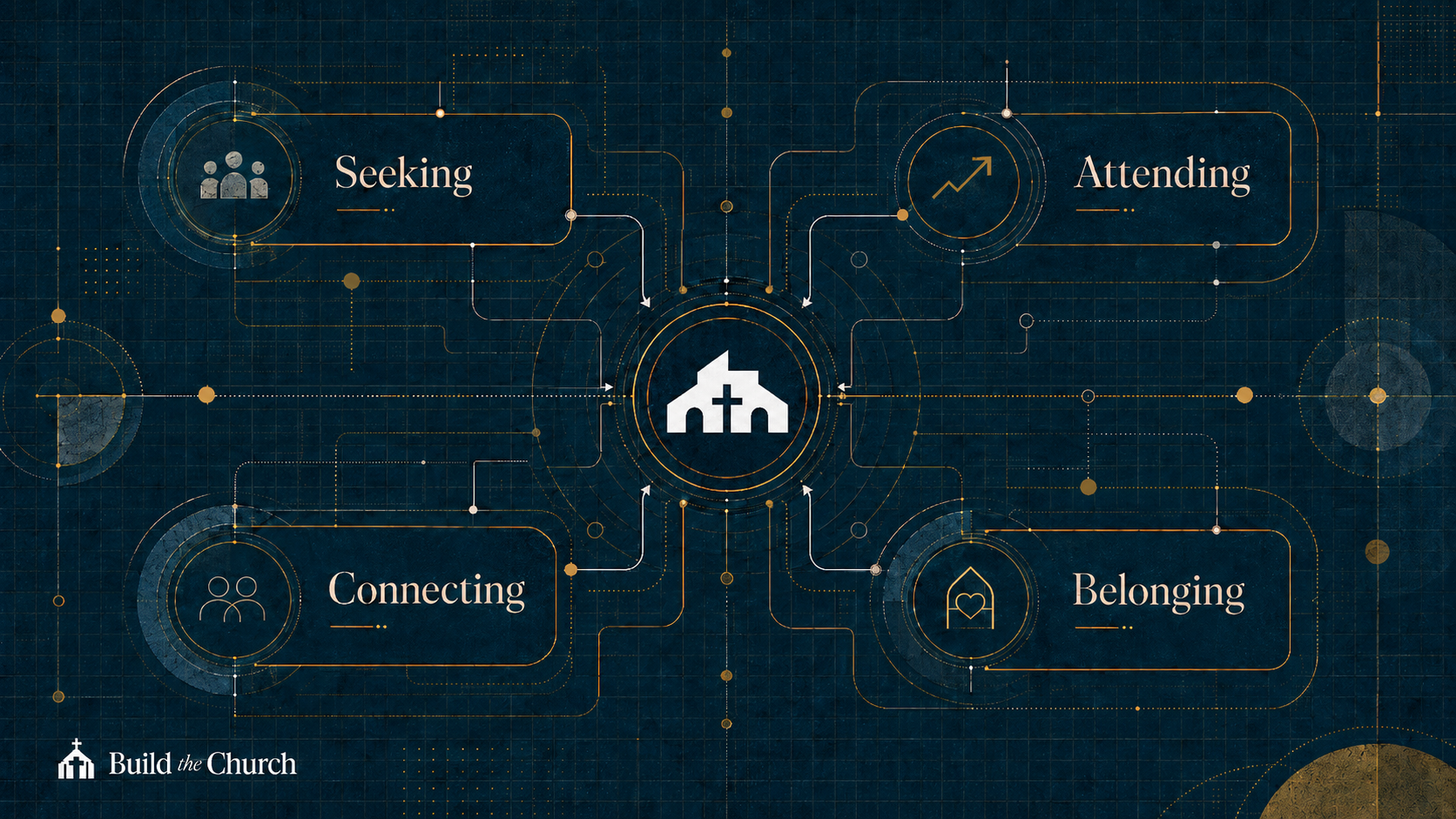
If we want people to feel known, loved, and cared for, we need more than a friendly welcome. We need an intentional guest journey game plan. I like to break that journey into three phases: before the guest attends, when the guest attends, and after the guest attends.

Before someone walks through the physical doors of your church, they have probably already walked through your digital front door.
They may have found you through Google, visited your website, looked through your Instagram account, or watched part of a service online. They are trying to answer basic questions:
One of the biggest barriers keeping people from attending a church is simply unanswered questions. Clarity is one of the kindest things we can offer a first-time guest.
Audit your website and social media through the eyes of someone who knows nothing about your church. Show real people, real environments, and what an average Sunday actually looks like. Make service times, directions, parking information, and children's ministry details easy to find.
If someone plans a visit, send a short email or video showing them where to park, where to enter, and what to expect. You are not just sharing information. You are helping lower their anxiety before they ever arrive.
Guests experience more than your sermon. They experience the drive onto your property, the parking lot, the signage, the front doors, the children's check-in process, the lobby, and the walk into the auditorium.
In my conversation with Pastor Brad Hampton, he called this the journey from "street to seat." Those first several minutes can shape whether someone feels comfortable enough to return.
Walk through that experience with your team as if you have never visited your church before. Is it obvious where to park? Can parents quickly find the children's area? Does your signage use language an unchurched person will understand? Are your volunteers prepared to do more than smile and wave?
Being a friendly church is not the same as being a church where people find friends.
Train your team to notice people and help make meaningful connections. A young couple with a baby may benefit from meeting another family in the same season. Someone attending alone may need a warm introduction that keeps them from standing by themselves in the lobby.
You should also provide a clear place for guests to identify themselves without making them feel like they are being put on display. Let them know you will not embarrass them or pressure them, but make their next step easy to see.
The guest journey does not end when someone leaves the parking lot. Your follow-up should help them take one clear next step.
Sit down with your team and map what should happen after a first visit. Who sends the text? Who makes the phone call? What email do they receive? What are you inviting them to do next?
Avoid giving people 15 different options. Decide what the clearest next step is for your church. It might be meeting the pastor, attending a newcomer meal, joining a group, or participating in a one-time discovery class.
Then ask a better question than, "What do we want from this person?" Ask, "How can we serve them?" Someone may need baptism, community, prayer, financial guidance, or help finding freedom from something in their past. Others may be ready to serve.
When someone reaches that point, YourTeam.Church can help them discover their personality and spiritual gifts and find a ministry team where they can thrive.
Whatever follow-up process you choose, write it down, assign responsibility, and follow it consistently. The best guest follow-up strategy is the one your team will actually use.
Creating an effective church guest journey does not require a complicated system. It requires clarity, intentionality, and a commitment to doing simple things well over and over again.
For more practical ideas, check out my full Build the Church Podcast conversation with Pastor Brad Hampton in the YouTube video below. We walk through each phase of the guest journey and show you how to create a game plan that helps more people move from attending your church to truly belonging.
















.png)