The Church had to make historical shifts during the outbreak of COVID-19. What they learned helped them reach people in new ways. The physical doors of the church were closed for a period of time, but in response, churches found digital doors for people to access the ministry of the local church.

Even though churches have long since regathered in person, there are lessons learned from that season that churches can utilize to engage people. One of the benefits of the pandemic was that it forced churches to adjust to the digital space where so many people are already spending much of their time. If local churches are going to continue to thrive, then they will have to pay attention to this.
Before 2020 most churches' online presence consisted of simply replaying the weekend service message. Churches can use what they learned during the pandemic, when people could not gather, to improve the viewing experience at home significantly.
In most cases, your second campus should probably be your digital campus. This means having volunteers and staff dedicated to this part of your ministry. Planning should go into how to best use mobile, desktop, and TV devices to engage with people on the other side of your broadcast. Perhaps you do a studio recording of your message for your digital campus that can be ready for Sunday morning online.
Many churches moved to host their digital broadcast on YouTube and Facebook. These platforms provide easy access to the church service, built-in hosting, and the ability to share the broadcast quickly with friends and family. Not only are these services free, but because these platforms want more people on them, they also make an extra effort to promote your broadcast so people can stay engaged on their site. This means people who would never travel to your website may come across your service while browsing Facebook.
So make sure you have people ready to handle the chat and send out links during your online broadcast, because holding services on social media platforms has proven too helpful to abandon.
One of the benefits of having to do church at home was people taking more responsibility for their family's discipleship and engagement with God. Many ministries began sending digital resources to parents to make sure ministry continued to their kids from the church. Now, many of the printouts that were used on Sunday are no longer present, even though people are once again filling pews. Instead, churches are utilizing digital connection cards and links to lesson plans for kids.
Digital resources offer the ultimate portability because they can be accessed from anywhere. You cannot lose them because you only have to go to the church's website to find a reading plan, small group information, and lesson plan.
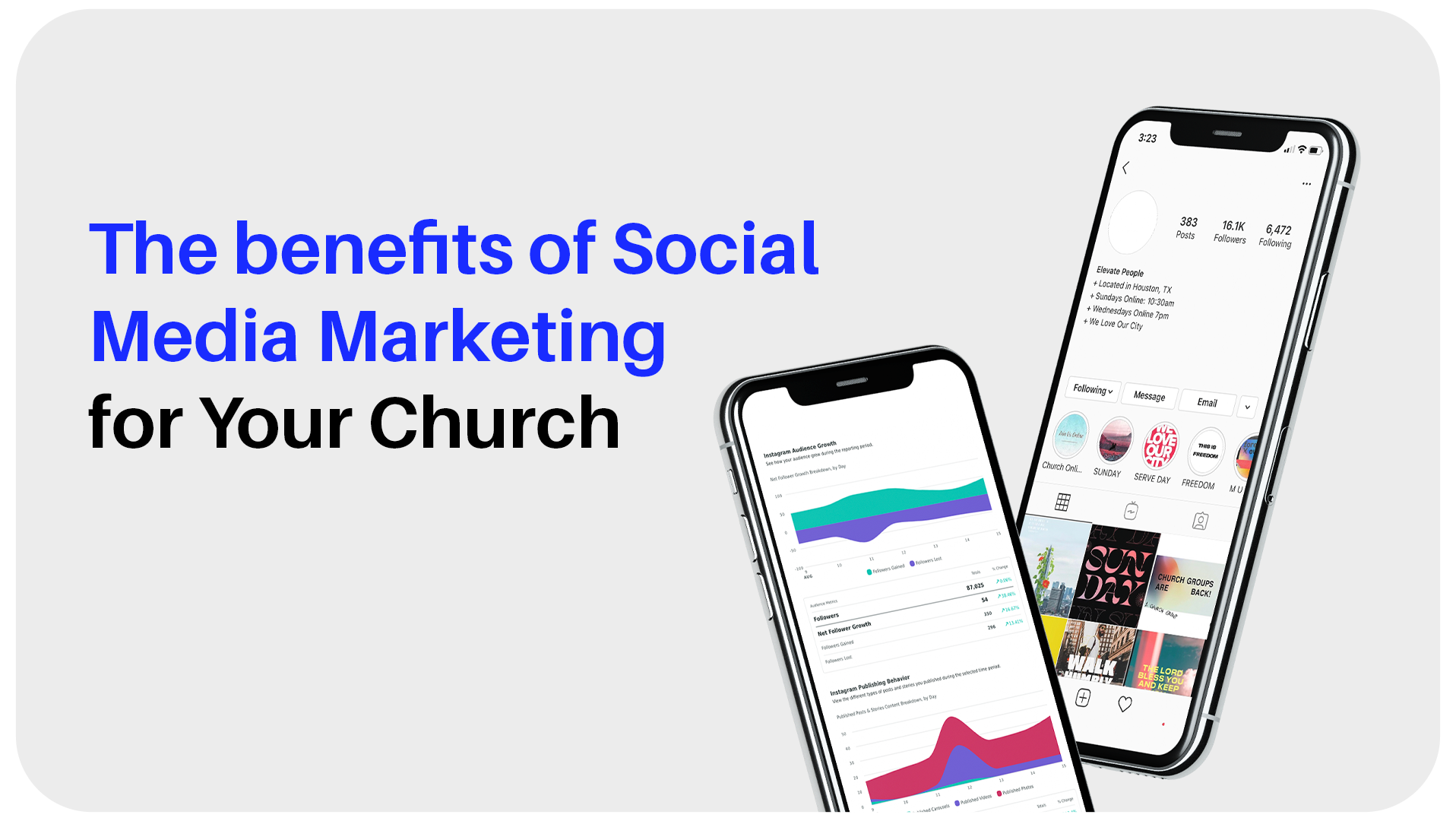
The pandemic accelerated many pastors' adoption of social media and digital tools to engage with their congregation. This led to some viral videos, like one clergy member who hilariously caught things on fire with candles while fidgeting with the broadcast. Another accidentally turned on filters, only realizing after the message that he presented the entire message as a heart-eyed cat. Church leaders have continued to utilize these tools now that they have discovered how to connect with social media and broadcasts in between weekend services.
I have enjoyed seeing pastors hop on Instagram Live during weekday evenings to just chat with whoever from their church wants to join them. One pastor told me that people from his church tell him they feel more connected to him than ever before because he is using social media more. They are seeing his family, and he is taking more opportunities throughout the day to give a behind-the-scenes look into the ministry and his personal life.
We are glad to see people able to join together for church in person, but these four areas remain part of the continued digital revolution that helps people stay connected to their community of faith outside the walls of their local church.
Is your church prepared to continue reaching people through digital ministry? For more free resources to help you build your church online, visit buildthe.church.

















.png)